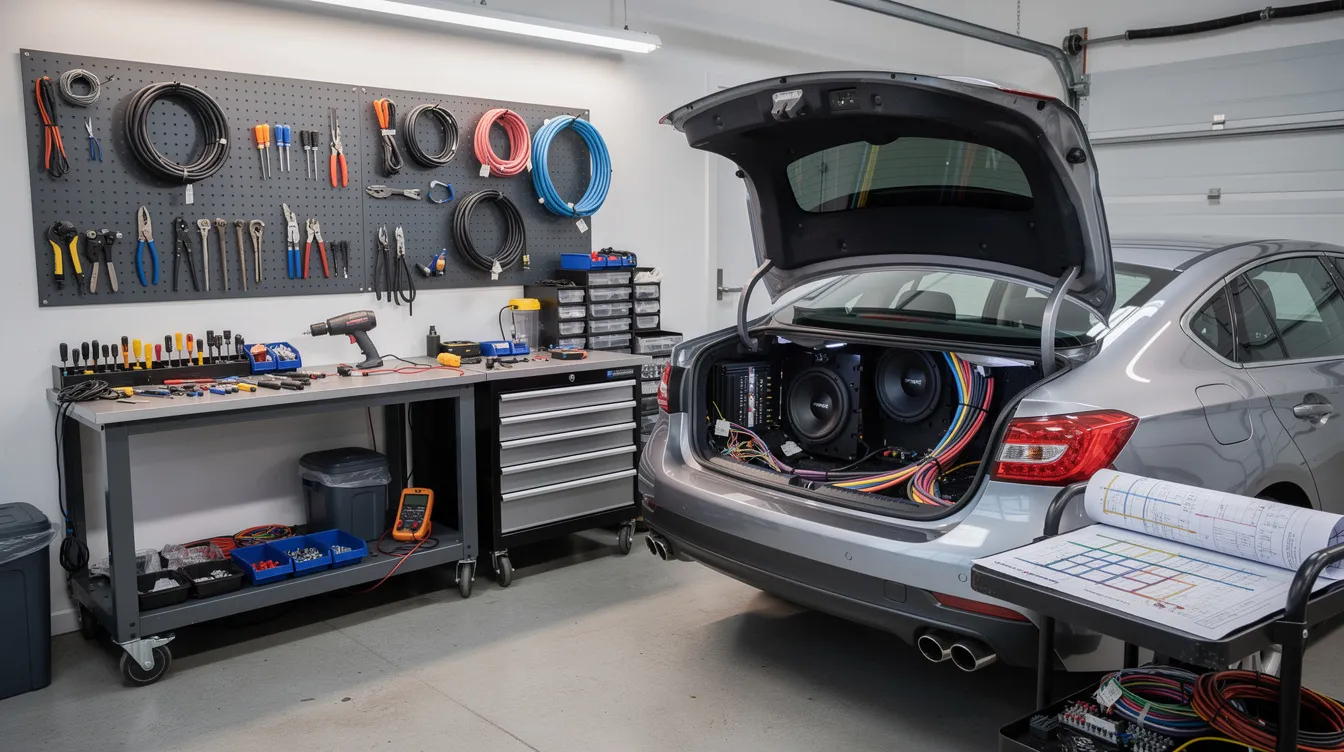
Fixing Your Amp in Protection Mode: Troubleshooting Tips and Solutions
Posted by Jacob Morris on Jun 7th 2026
Amp in Protection Mode: Why Your Car Amplifier Goes Into Protect & How to Fix It
If your amp in protection mode problem showed up after the system worked perfectly yesterday, do not guess and start replacing equipment. A protect warning usually means the amplifier found a fault in the car audio setup and shut down output before something worse could happen.
Fast Answer: Why Your Amp Is in Protection Mode (Quick Fix Checklist)
Protection mode is a safety circuit built into a modern car amplifier to shut down output and prevent damage, overheating, or fire. A red or blinking protect light means the amp detected a problem with power, ground, speaker load, voltage, heat, or signal.
Quick troubleshooting steps:
-
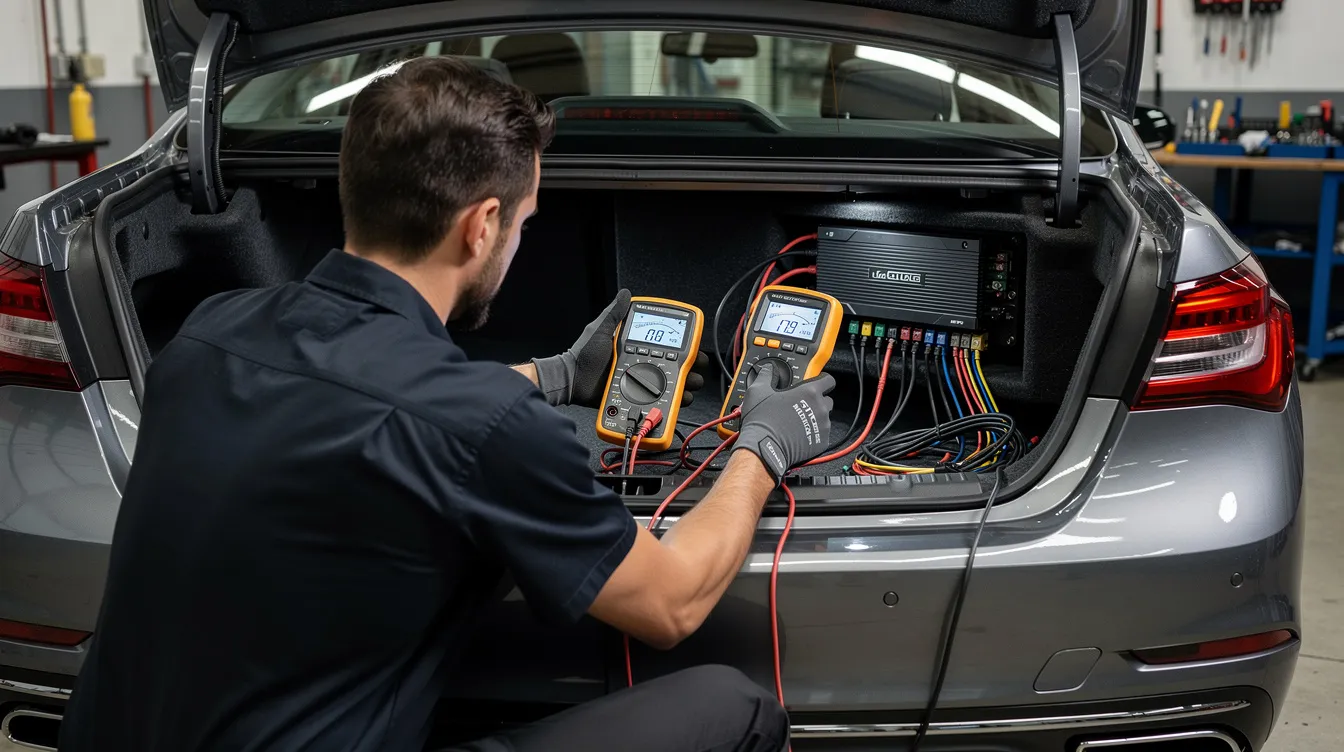
Use a multimeter to verify voltage at the amp’s +12V terminal. With the car running, look for about 13.5–14.4V; check voltage at the amp should match battery voltage. Ensure battery voltage is above 12V when running.
-
Check ground connection quality: the ground point should be bare metal, tight, clean, and securely connected to the chassis.
-
Inspect the fuse near the battery, inline fuse holder, and onboard fuse. A blown fuse can prevent the amplifier from powering on.
-
Disconnect all speaker wires and rca inputs. Leave only +12V, ground, and the remote turn on wire / remote wire connected.
-
Power the amp up. If it stays out of protect, the fault is likely speaker wires, subs, the box, the head unit, or signal. If it still goes into protect, internal hardware failure may cause an amplifier to enter protection mode immediately.
-
Visit Amped Up Car Audio to get expert advice and high-quality car audio parts. Online customers can call or email photos of wiring, terminals, and meter readings for personalized troubleshooting support and recommendations.
What Is Amplifier Protection Mode & What Does “Protect” Mean?
Protection mode is a self-defense system in MOSFET, Class D, and Class AB amplifiers. When an amplifier enters protection mode it shuts down output to prevent damage to output transistors, power supply FETs, speakers, and other parts.
An amp may not turn on at all, may turn on then quickly goes into protect mode, or may only goes into protect when bass hits. Different brands use different protect logic, so always check the owner’s manual. Texas Instruments notes that modern automotive amplifier circuits commonly include under-voltage, over-voltage, and fault protection in their designs.
Most Common Reasons a Car Amp Goes Into Protect Mode
Most amp in protection mode cases are installation-related, not a bad amplifier out of the box. Troubleshooting a protection mode amplifier includes checking wiring and connections first.
Common causes include:
-
Poor ground connection: painted chassis, long ground wires, loose bolt, corrosion, or dirty or loose connections can lead to protect mode activation.
-
Blown fuse or heat-damaged fuse holder in the main power wire or at the amplifier. A blown fuse can prevent the amplifier from powering on.
-
Short circuits in wiring can cause the amplifier to shut down, especially if copper strands touch positive and negative terminals.
-
Low battery voltage can cause amplifiers to enter protect mode; thin power or ground wires can cause voltage drops in amplifiers.
-
Wrong ohm load. Impedance is measured in ohms and affects amplifier performance.
-
Overloading can cause an amplifier to shut down; overloading the amplifier can trigger protect mode shutdown.
-
Heat. Amplifiers can enter protection mode due to overheating or short circuits.
-
Bad signal from the head unit, LOC, or clipped rca inputs.
-
Internal failures: burned FETs, leaking caps, or a faulty circuit.
Step‑by‑Step: How to Diagnose an Amp Going Into Protect
-
Turn the system off and inspect the amplifier's power, ground, remote, and speaker terminals. Look for melted plastic, burnt smell, loose connections, or wire strands touching.
-
Check fuses. A fuse can be completely blown, or cloudy and heat-damaged, causing random shutdown. Inspect every fuse holder.
-
Use a multimeter to check voltage at the amp. Test DC volts between +12V and ground with engine off and car running. If the amp only shuts down at volume, watch for voltage drop when bass hits.
-
Physically remove the ground bolt. Sand away all the paint until you reach bare metal. Reattach the ground wire so it is secure, attached firmly, and ideally under 18 inches.
-
Isolate the amp. Disconnect speakers and RCA cables; this helps identify potential blown components. Leave power and ground plus remote only.
-
If the amp stays on, reconnect one speaker, sub, or wire run at a time. When it goes into protect, you found the suspect run.
-
Measure the speaker or sub impedance at the speaker terminals with everything disconnected. Check your amp's impedance load regularly and confirm it matches the amplifier rating.
-
Test signal. Try a different RCA cable, a known-good head unit, or a temporary source.
-
Touch the amp carefully. If it is extremely hot, airflow, gain, bass boost, or load is the issue.
-
Stop if clean power, clean ground, and remote still trigger protect. Board-level repair needs a bench supply and test gear.
Power, Ground, and Fusing: Fixing Protect Mode at the Source
Most protect-mode problems in a sound system begin with 12V power and ground. Use proper gauge OFC wire: 4-gauge for many systems up to about 1,000W RMS, and 1/0-gauge for larger builds.
The power wire should run cleanly from the battery, fused within 12–18 inches. Fuse size must match amp draw and wire rating. If a distribution block or fuse holder gets hot, high resistance may be dropping voltage and forcing the amp to enter protection mode.
For ground, use the same gauge as power, keep it short, and connect to solid chassis steel. Clean and secure all connections to prevent issues. Amped Up Car Audio stocks OFC kits, distribution blocks, fuses, batteries, and Big 3 upgrade kits built to reduce voltage-drop problems.
Speaker Wiring, Ohm Load & Short Circuits
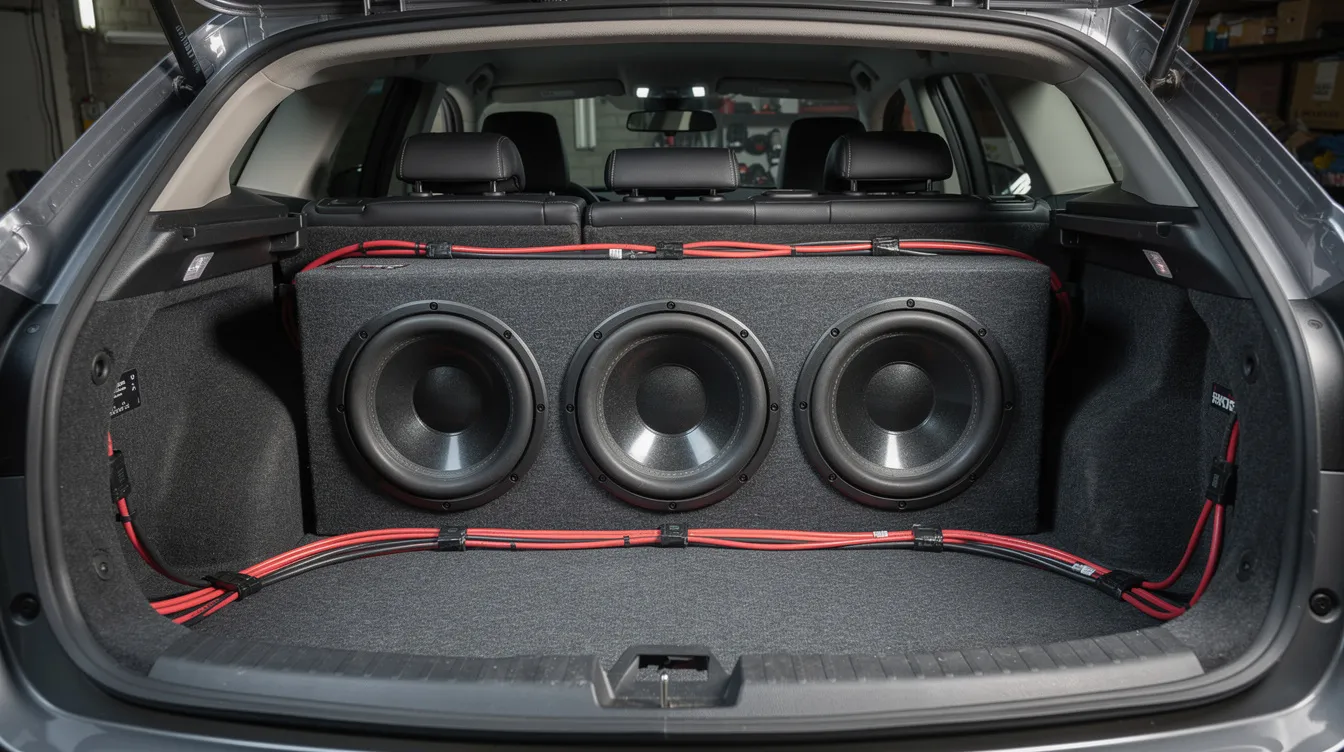
An amp that goes into protect immediately or only when bass hits often has an incorrect load or shorted speaker circuit. One dual 4Ω sub wired in parallel creates a 2Ω load. Two dual 4Ω subs may be wired to 1Ω or 4Ω depending on configuration.
Running 1Ω on a 2Ω-stable amp can make it overheat or shut down. Mismatched impedance loads can cause amplifiers to overheat.
Inspect sub terminals, speaker wires, and the speaker box for copper strands touching. Look under seats and trim for crushed insulation.
Worked example: a customer had two 2Ω subs hooked to an amp rated for 2Ω minimum, but the final load was below spec. The amp kept shutting down until we rewired the subs to a safe load. Amped Up Car Audio can pre-wire enclosures to match your amplifier before install.
Head Unit, Signal Issues & Gain Settings That Make Amps Go Into Protect
Even with perfect wiring, the head unit or LOC can cause protect. Bad RCAs, internal shorts, ground loop noise, or clipped pre-outs can overload the inputs.
Adjust the gain settings to avoid distortion. Gain is not a volume knob. A safe method is to use a test tone, set the head unit around 75–80%, then raise gain until the target clean output is reached. Advanced users can use an oscilloscope.
Bass boost, loudness, EQ peaks, remote bass knobs, and eco bass knobs can push a clean setup into protect. Bypass extra DSP, crossovers, and boosts during testing. Some amps flicker warning LEDs before full shutdown, so watch the protect indicators.
Overheating & Thermal Protection: When Your Amp Gets Too Hot
Amplifiers generate heat and require proper airflow to avoid shutdown. If the amp plays for minutes, gets hot, then resets after cooling, thermal protection is likely.
Avoid mounting under carpet, inside sealed storage, or stacked tightly with other electronics and consumer electronics. Give heatsinks space, keep fans clean, and avoid blocking vents.
Excessive gain, undervoltage, and low impedance make the amplifier work harder. If heat keeps coming back, add 12V fans, improve venting, or upgrade to a more efficient Class D amp.
When the Amp Won’t Come Out of Protect: Internal Damage & Repair Options
If the amplifier still goes into protect with speaker wires and RCAs disconnected, and power and ground are confirmed good, the issue is likely internal. Common failures include shorted output transistors, burned supply FETs, cracked solder joints, or failed protection circuitry.
Do not open the case before checking warranty coverage, serial number, and receipt. Opening the amp may void warranty. Repair makes sense for some premium models, but if repair cost approaches replacement cost, a new amplifier may be the smarter fix.
Preventing Future Protect‑Mode Problems (Designing a Stable Car Audio System)
Design the system so the amp is not always at its limit. Choose an amplifier with clean RMS headroom, match subs to the amp’s stable impedance, and plan wiring before purchase.
For builds over about 1,500–2,000W RMS, consider a better battery, Big 3 wiring, and possibly a high-output alternator. Use OFC wire, correct fusing, clean distribution hardware, sensible EQ, and proper tuning. That is how you get louder output without constant shutdown.]
Frequently Asked Questions About Amp in Protection Mode
Why does my amplifier go into protect mode only when bass hits?
This usually indicates an impedance or wiring issue. When bass hits hard, the amplifier demands more current, and if the speaker load is too low or there is a short circuit, the amp triggers protection to prevent damage. Check speaker wiring, impedance load, and ensure no wires are touching or damaged.
How can I fix an amp that keeps going into protect mode randomly?
Random protect mode shutdowns often result from loose or dirty ground connections, voltage drops, or overheating. Inspect and clean all power and ground terminals, verify voltage with a multimeter, and ensure proper airflow around the amplifier to prevent thermal shutdown.
Can a bad ground cause my amp to go into protection mode?
Yes, a poor ground connection can cause voltage instability and trigger protection mode. Make sure the ground wire is securely connected to clean, unpainted metal on the vehicle chassis, and keep the ground wire as short as possible.
What role does speaker impedance play in amp protection mode?
Speaker impedance affects the amplifier’s load. If the impedance is lower than the amp’s stable rating, it can cause overheating and protective shutdown. Always match your amplifier’s stable ohm rating with your speaker or subwoofer configuration to avoid protect mode.
Is it possible for a blown fuse to cause an amp to stay in protect mode?
A blown fuse or a heat-damaged fuse holder can prevent the amplifier from powering on properly, which may appear as if the amp is stuck in protect mode. Always check and replace any blown or damaged fuses with the correct rating.
How do gain settings affect amplifier protection mode?
Incorrect gain settings can cause distortion and overload the amplifier inputs, potentially triggering protect mode. Properly set gain levels using test tones and avoid excessive bass boost or EQ peaks to maintain clean signal input.
What should I do if my amp stays in protect mode even after disconnecting speakers and RCAs?
If the amplifier still enters protect mode after isolating power, ground, and remote wires, the issue is likely internal hardware failure. Consult a professional for diagnosis and repair or consider replacement if out of warranty.
How does low battery voltage influence amp protection mode?
Low battery or alternator voltage can cause the amplifier to shut down to protect itself. Ensure your vehicle’s charging system maintains voltage above 12V while running to prevent protect mode activation.
Need Help With an Amp in Protection Mode? Talk to Amped Up Car Audio
An amp in protection mode is usually fixable when you follow the right troubleshooting steps instead of guessing. If you need ideas, share sort of system details: amp model, subs, head unit, wiring photos, voltage readings, and what makes the shutdown happen.
Visit Amped Up Car Audio in Conover, North Carolina for hands-on car audio diagnostics, installation, and setup. Or shop online for amplifiers, subwoofers, speakers, wiring kits, batteries, Big 3 kits, and accessories selected for reliable power.
Browse the Amped Up Car Audio catalog or contact us for a free system design recommendation so your car audio system plays louder, cleaner, and more dependably.