
The Ultimate Guide on How to Recone a Subwoofer for Better Sound
Posted by Jacob Morris on Apr 20th 2026
How to Recone a Subwoofer (Step-By-Step)
How to Recone a Subwoofer (Step-By-Step) – With Sundown Audio Recone Tips
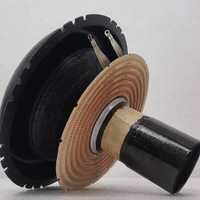
Reconing a subwoofer means replacing the soft parts that wear out under extreme stress—the cone, surround, spider, voice coil assembly, and dust cap—to restore your driver to near-original performance and bring your subwoofer back to life by revitalizing its performance and extending its operational lifespan. Reconing involves removing and replacing all moving parts of a subwoofer, such as the cone, surround, spider, lead wires, and voice coil, which can restore its functionality. A recone kit typically includes a cone with surround, spider, voice coil, and dust cap, which are essential for the reconing process. A properly reconed subwoofer can perform as well as a brand new subwoofer, making reconing a cost-effective option for those looking to save money while maintaining sound quality. If you’ve been running a daily-driven SPL build, demo vehicle, or competition system in recent years, you’ve probably experienced the frustration of burnt coils from prolonged high-excursion sessions or torn spiders from pushing past mechanical limits.
This step by step guide focuses on 8” to 18” car audio subwoofers, with extra detail for Sundown Audio recones since SA, U, M, X, Z, NS, and SDDN series subs are among the most commonly rebuilt SPL drivers. At Amped Up Car Audio, we stock recone kits, Sundown subs, and installation accessories—and we can handle professional recones in-house when the job calls for it. When repairing or replacing subwoofers, it’s important to choose a reputable brand for recone kits or subwoofers to ensure quality and performance.
This guide is intended for car audio enthusiasts, DIYers, and anyone interested in restoring or upgrading their subwoofers.
Is Your Subwoofer a Good Candidate for a Recone?
Not every blown sub can or should be reconed. Sometimes the basket, motor, or frame is too damaged for a rebuild to make sense. Before ordering parts, run through these checks:
Signs your sub is worth reconing:
-
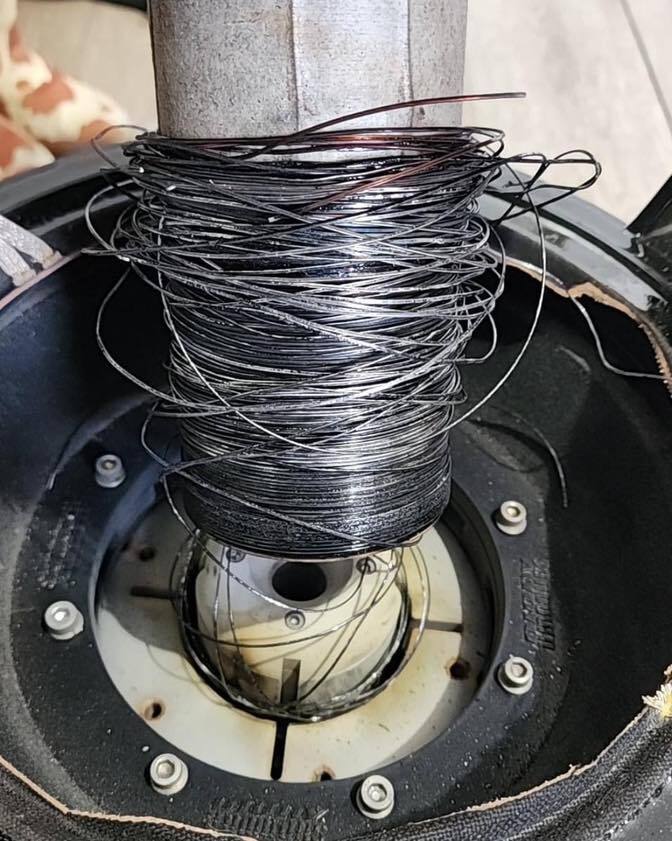
Burnt voice coil smell (acrid, melted material odor from the former)
-
Scraping or locked cone indicating coil rub from debris or misalignment
-
Torn or damaged cone, surround, or spider with visible fatigue
-
Broken tinsel leads or frayed lead wires
-
Frame, basket, and magnet still structurally solid
Red flags that usually mean skip the recone:
-
Shifted or cracked magnets (magnetic flux drops below usable levels)
-
If you hear a rattling sound coming from the magnet, it could indicate an issue with the shortening ring inside the subwoofer. This problem requires internal repairs and professional expertise to properly fix the magnet and restore optimal performance.
-
Melted former fused to the top plate that can’t be cleaned without damaging the gap
All types of damage to the subwoofer, except for magnet, frame, and enclosure damage, can be fixed through a process called reconing. If you continue using a fatigued subwoofer, it will place more stress on the weak points and enlarge the splits, leading to further damage.
Sundown Audio, Crossfire Audio, Incriminator Audio, DC Audio, and similar SPL brands are often worth reconing because their cast aluminum baskets and overbuilt motors handle multiple rebuilds. Forum data shows 70-80% success rates for quality subs versus 40% for generic drivers. If you’re unsure whether your specific Sundown, Skar, or JL sub is a good candidate, contact us with photos—we’ll give you an honest assessment.
Choosing the Right Recone Kit (Especially for Sundown Audio)
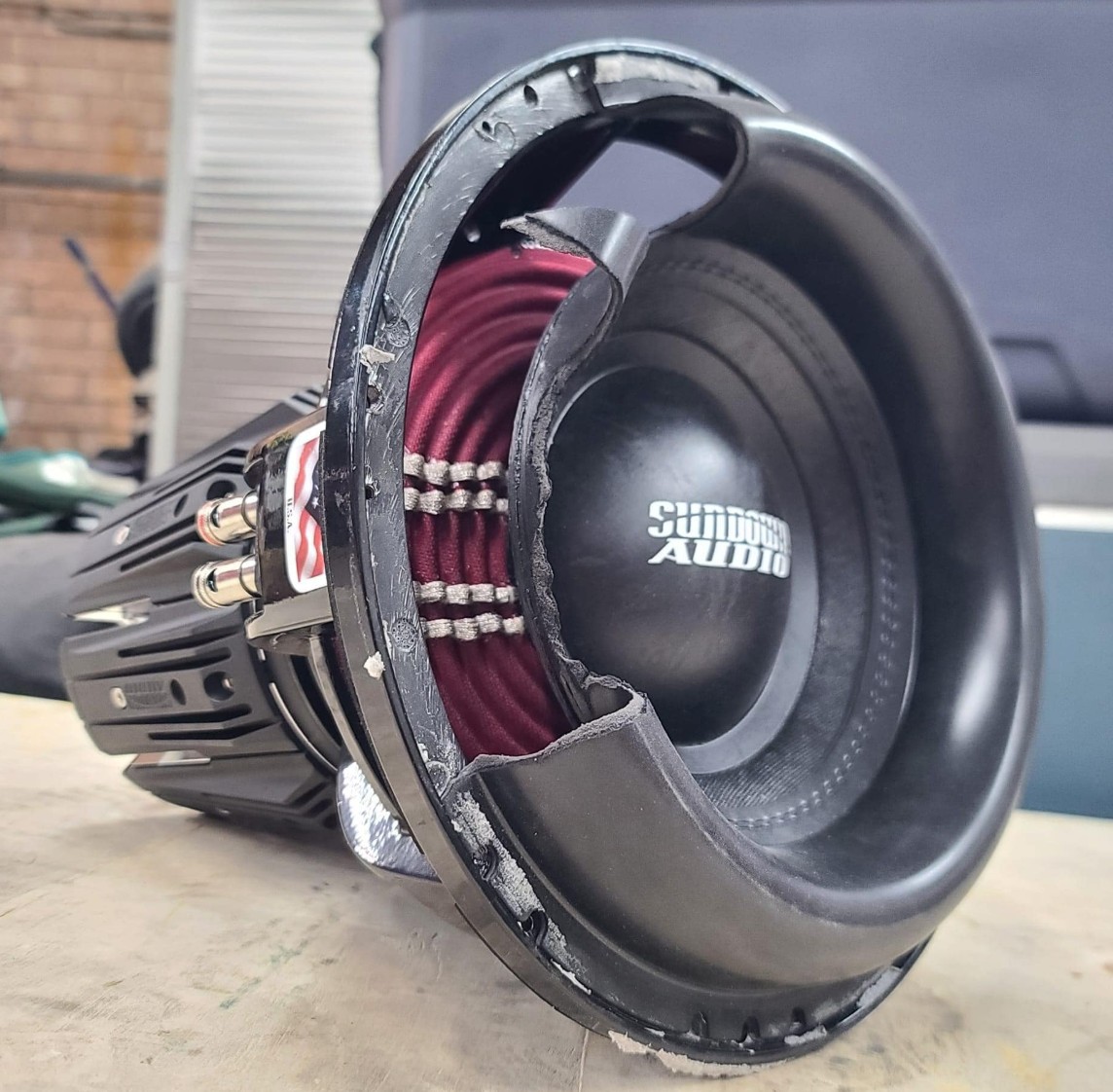
A typical recone kit includes the cone with surround pre-attached, spider(s) with lead wires sewn in, voice coil on its former, and a dust cap. The kit essentially contains all the soft parts that wear out under hard use. There are also other options for parts and tools—alternative methods or compatible components can be considered depending on your needs and preferences.
The difference between OEM recone kits and generic “universal” soft parts matters significantly for sound and performance. An OEM Sundown recone for an SAv12 v2 or Xv3 12 maintains original Thiele/Small specs, keeping your box tuning accurate. Generic kits can shift resonant frequency by 5-10Hz and alter output noticeably.
Matching your recone kit:
-
Identify exact model and version (Xv1 vs Xv2 vs Xv3 vs Xv4)
-
Match coil size (2.5”, 3”, or 4” diameter)
-
Match impedance (D2 or D4 configuration)
-
Consider cone material (paper vs carbon fiber vs composite ) and spider pack (standard vs softer vs stiffer vs SPL)
Common Sundown recone examples we stock:
-
SA Classic (SAv1) / SAv2 / SAv3 8” - 15” 2.75” coil (1500W RMS)
-
Uv1 / Uv2 10” - 18” 3” coil (2000W RMS)
-
M 10” - 15” 3” coil (2000W RMS)
-
Xv1 / Xv2 / Xv3 / Xv4 Sizes 10” - 18” 3” coil (3000W RMS)
-
Zv4 / Zv5 / ZV6 / Zv7 12” - 18” 3.3” coil (3500W)
-
NSv3 / NSv4 / NSv5 / NSv6 10” - 18” with 3” coil (3500W RMS)
We can help cross-reference part numbers or confirm whether older motors from 2016-era SA-12s can accept current recones. The cost of reconing a subwoofer can vary widely depending on the method chosen, with complete recone kits available at different price points to suit various budgets.
OEM vs Aftermarket Soft Parts
OEM Sundown recones match factory specs and sound signature. Aftermarket “mega-roll” surrounds or stiffer spiders can change tuning—sometimes raising Fs by 5-7Hz, which may require box redesign.
OEM advantages:
-
Exact impedance matching (D4 coils at 3.2-3.8Ω per series)
-
Factory voice coil gap centering maintained
-
No enclosure retuning needed
Aftermarket considerations:
-
SPL-pack spiders offer 20-30% higher thermal limits
-
Composite cones handle more abuse
-
May require larger enclosure (Vas increases 15-25%)
For daily drivers and SQL builds, stick with OEM or OEM-style parts. If you’re building for SPL competition and want upgraded components, we can special-order kits with stiffer spiders and composite cones.
Tools and Materials You’ll Need
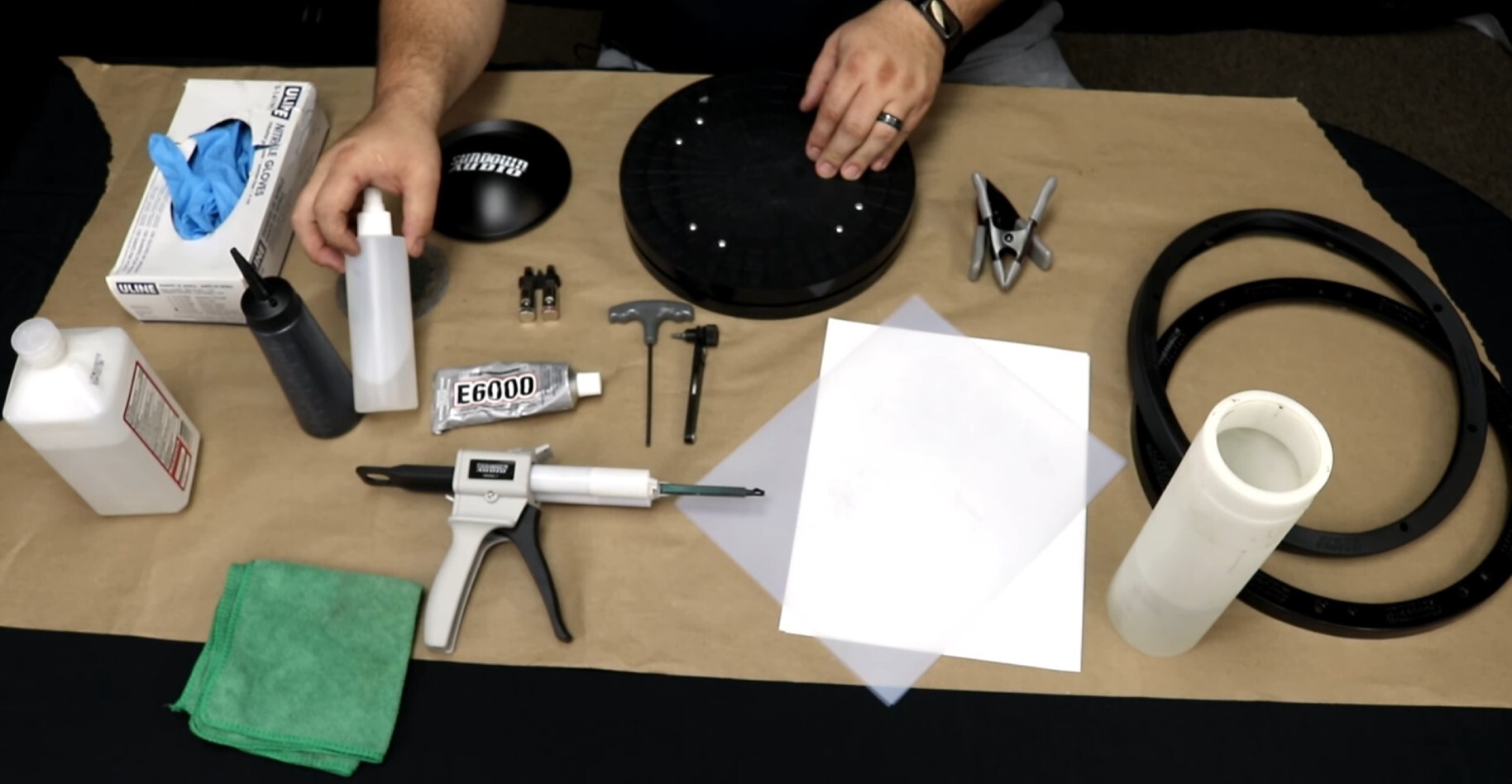
The right tools make reconing smoother and safer, especially when dealing with CA glue’s 5-10 second set time and grinding old adhesive from landings.
Essential tools:
-
Cordless drill or screwdriver with Phillips, Torx, and hex bits (a drill with a Phillips head bit is necessary for removing screws)
-
Utility knife with fresh #11 blades
-
Chisel or razor scraper for adhesive removal
-
Small angle grinder with a flap disk attachment (80 grit) or Dremel with 36-80 grit discs; a grinder with heavy grit sanding discs (24 to 100 grit) is recommended for breaking down a subwoofer
-
Wire cutters
-
Soldering iron (40-60W, temperature-controlled at 350-400°C)
-
Safety gear: safety goggles, a respirator or mask, gloves, and a fan for ventilation are essential due to toxic fumes from CA glue
Chemicals and supplies:
-
Acetone bottle (useful for cleaning the spider landings and surround unit before reconing) or 90%+ isopropyl alcohol
-
Blue shop towels and cotton swabs
-
Compressed air (50-100 psi capability)
-
Paper or plastic shims (business cards or poly shim stock)
-
Medium and thin CA glue (cyanoacrylate) for the spiders (Included in Amped Up Car Audio’s Glue Kit); using CA glue is recommended for bonding parts, especially for high excursion woofers; specialized adhesives include two-part epoxy for the voice coil and CA glue for the spider and surround
-
CA accelerator spray (Included in Amped Up Car Audio’s Glue Kit)
-
8 - 20 x Small 3 or 4 inch plastic clamps
-
Painters tape
-
Many of these materials and tools can be conveniently sourced from Walmart
Optional helpers:
-
Lazy susan or turntable for spinning the basket during glue application
-
Small weights to hold surround and spider while curing
-
Multimeter to verify coil impedance after recone
-
Use covers or cover surfaces to protect them from glue or debris during the recone process
Preparation: Removing and Stripping the Old Subwoofer
Slow, careful teardown sets up a clean recone and reduces the chance of rubbing voice coils later. Work in a well ventilated area since you’ll be using solvents.
Disconnecting and removal:
-
Disconnect battery negative terminal to prevent shorts
-
Remove sub from box using appropriate bit
-
Desolder or disconnect speaker wires from terminals from the enclosure.
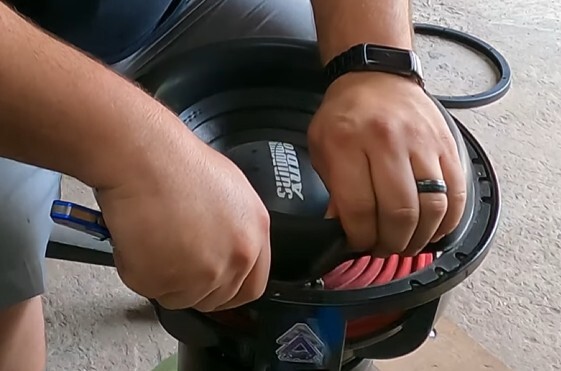
Removing old soft parts:
-
Carefully remove the rubber or composite gasket ring by gently prying
-
Cut the old cone surround close to the basket lip with a fresh razor blade
-
Slice the spider close to the landing including the tinsel leads without gouging the frame.
-
Lift the old cone and coil assembly out in one piece—avoid dragging the burnt coil through the gap
Cleaning landings:
-
Vacuum or blow out loose debris from the motor and basket.
-
Use a chisel, razor scraper, sandpaper, (our best recommendation) or use a angle grinder with flap disk attachment to remove adhesive down to bare material without creating gouges deeper than 0.05mm
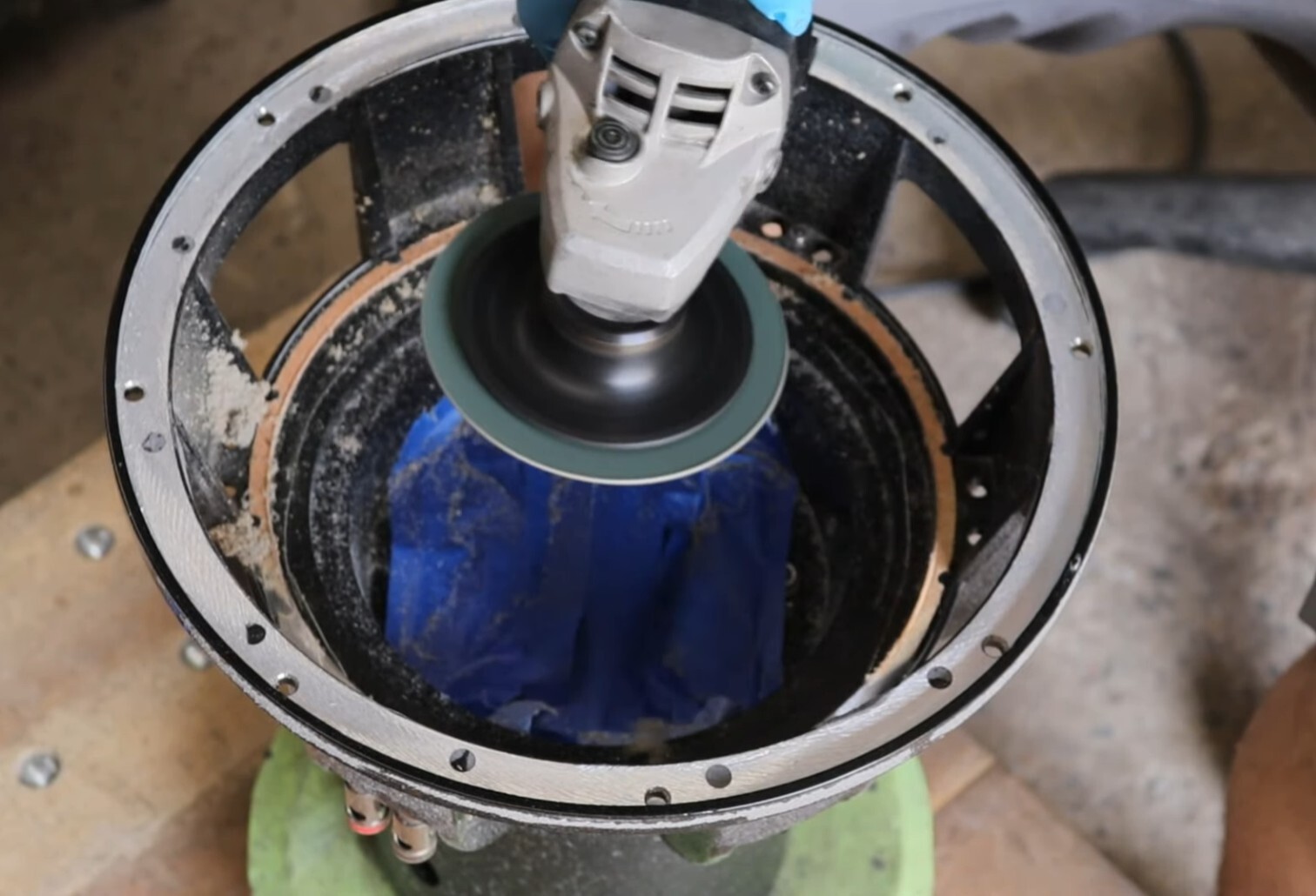
Cleaning the Voice Coil Gap and Frame
The gap must be spotless for any high-power sub to avoid coil rub at high excursion. This step is critical for Sundown recones with tight radial clearance.
-
Wrap painters tape sticky-side out around thin zip ties or something like plastic strips to fish out metal dust from the magnetic gap
-
Use short bursts of compressed air while tilting the woofer so debris falls out, not deeper into the motor
-
Repeat with taped strips until they come out clean
-
Wipe the spider landing, surround landing, and top plate with acetone on lint-free towels to remove oils
-
Put painters tape on the top of the magnet so that way nothing can get into the subwoofers voice coil gap you just cleaned.
Dry Fitting and Shimming the New Recone Assembly
Before putting any glue near your sub, test the coil on your new recone to make sure it is the right impedance (ohms), then dry fit the entire recone assembly. This confirms everything lines up and prevents costly mistakes once adhesive is involved. For beginners, using a "drop-in" recone kit—where the coil, spider, and cone are pre-assembled—makes the process much easier, as you can simply drop the kit into the basket with minimal modification.
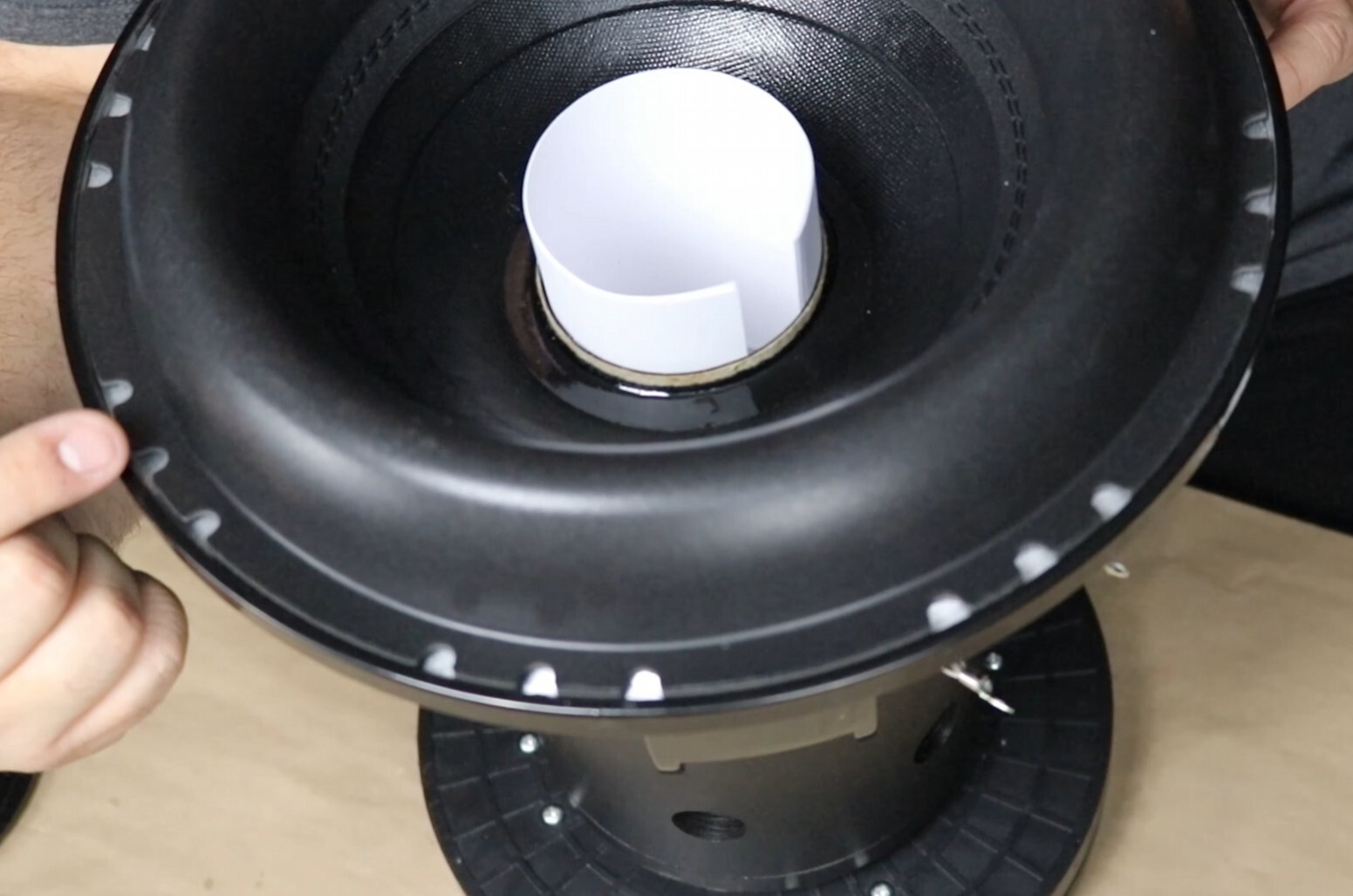
Dry fit process:
-
Place the new cone assembly into the basket without glue
-
Confirm spider diameter matches landing, surround aligns with basket lip, and coil height is correct
-
Check that the spider sits flat and the new cone centers naturally
Inserting shims:
-
You can buy Sundown Audio shims for your subwoofer through our website here for the best results: Sundown Shims
-
You can use paper, index card, or poly shim stock as alternatives to pre-made shims. Using pre-made shims or paper helps ensure proper alignment during installation. Shims should create a snug fit that centers the coil perfectly. DO NOT OVERLAP
Move the cone up and down gently by hand while shimmed. It should feel smooth with no scraping—if it scrapes, re-check for debris or a bent former.
Setting Coil Height and Orientation
Coil height determines linear excursion capability. Many Sundown coils should sit 1-2mm below flush with the top plate, though this varies by model.
-
The Sundown Audio recone kit should have already been measured for you so height should have no gaps when fitting the surround and the spider. (If you have an 18" tooled frame subwoofer you will need a 18" plastic spider adapter, which comes with our recones.)
-
Match the holes of the surround to the screw holes.
-
Align tinsel leads toward the terminal side so they follow a natural path without excessive bending
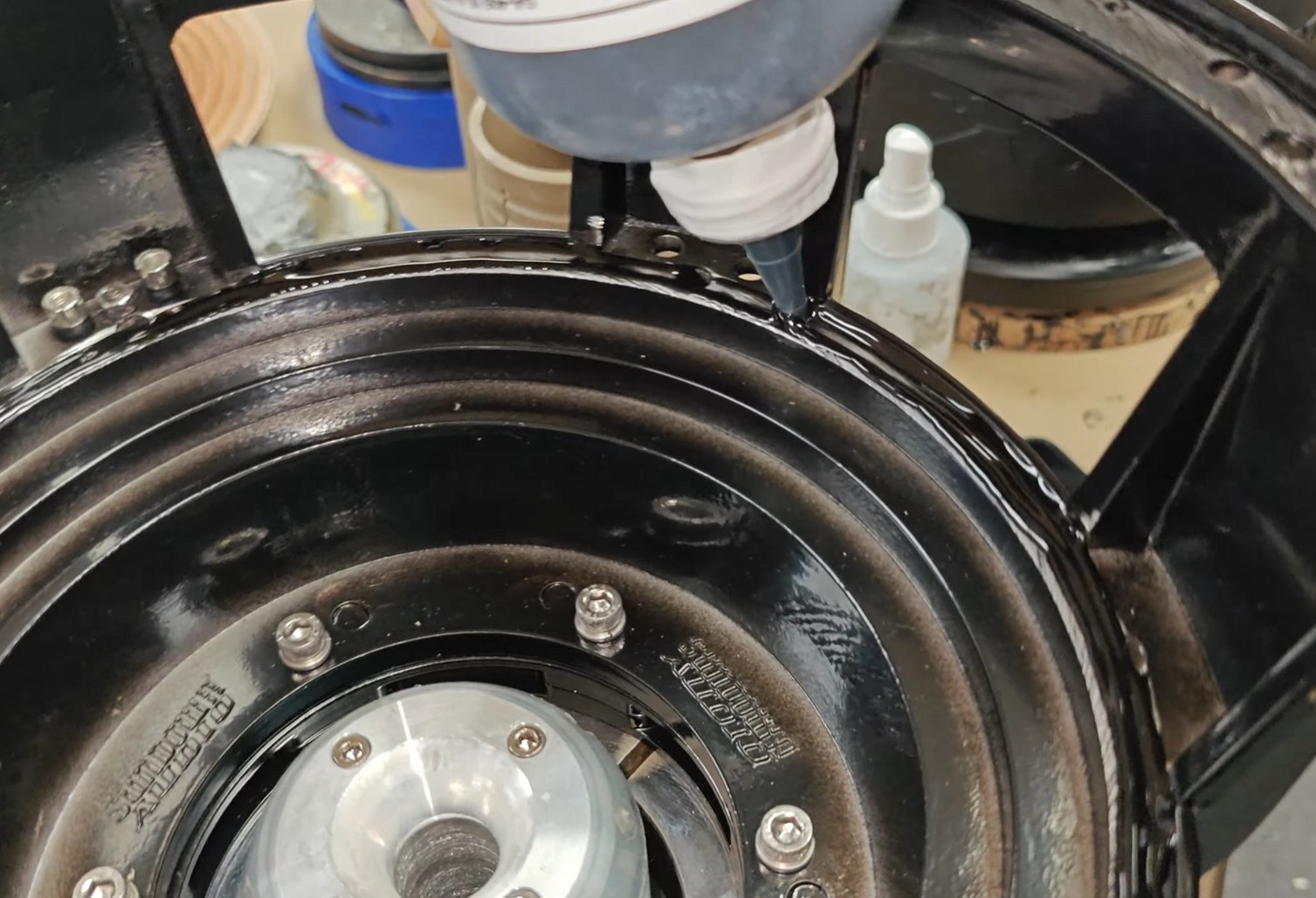
Gluing the Spider, Coil, and Surround
Once CA glue touches metal, there’s very little working time. Complete your dry fit and shimming before this step. The reconing process involves removing and replacing all moving parts of a subwoofer, including the cone, surround, spider, lead wires, and voice coil.
Gluing sequence:
-
Apply adhesive to the spider landing—run a nice bead of epoxy or medium CA glue around the entire landing
-
Attach the spider by pressing it down evenly, using temporary weight if needed to keep it flat
-
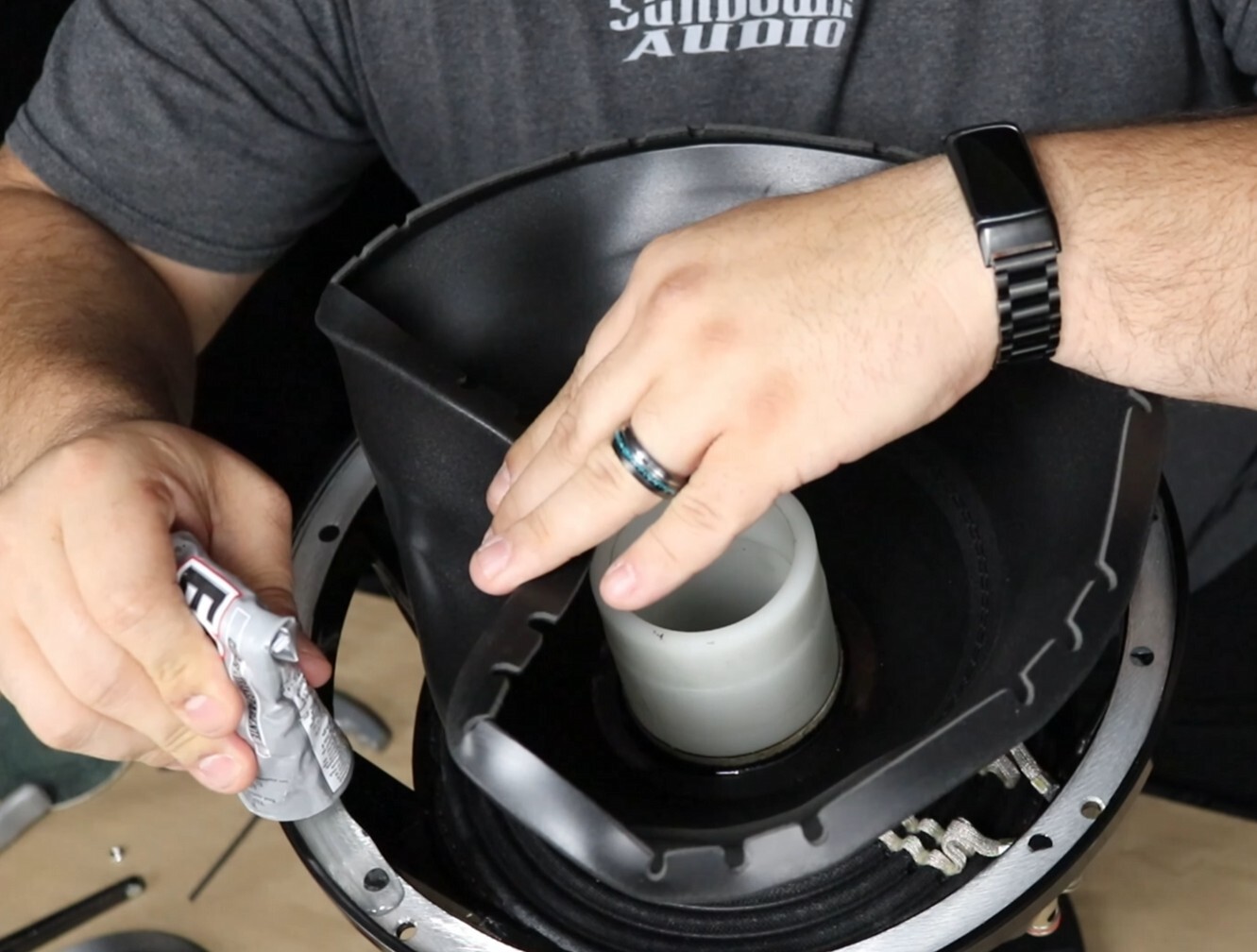
Apply a continuous bead of E6000 glue to the surround landing on the basket edge
-
Attach the surround by pressing it down firmly 360° and wipe squeeze-out immediately
-
Put on the rubber or metal tooled gasket on the subwoofer, then use as many clamps as possible to get a good clamp for a secure seal.
-
Attach the dust cap using adhesive, ensuring it is centered and secure.
-
Use CA accelerator sparingly on outer edges only to avoid brittleness on the spider
-
Leave shims in place during cure time (24 hours)
After applying glue to the surround landing and dust cap, it is important to allow the glue to fully cure, which typically takes about 24 hours for full strength.
The surround glue method should look like the picture below:
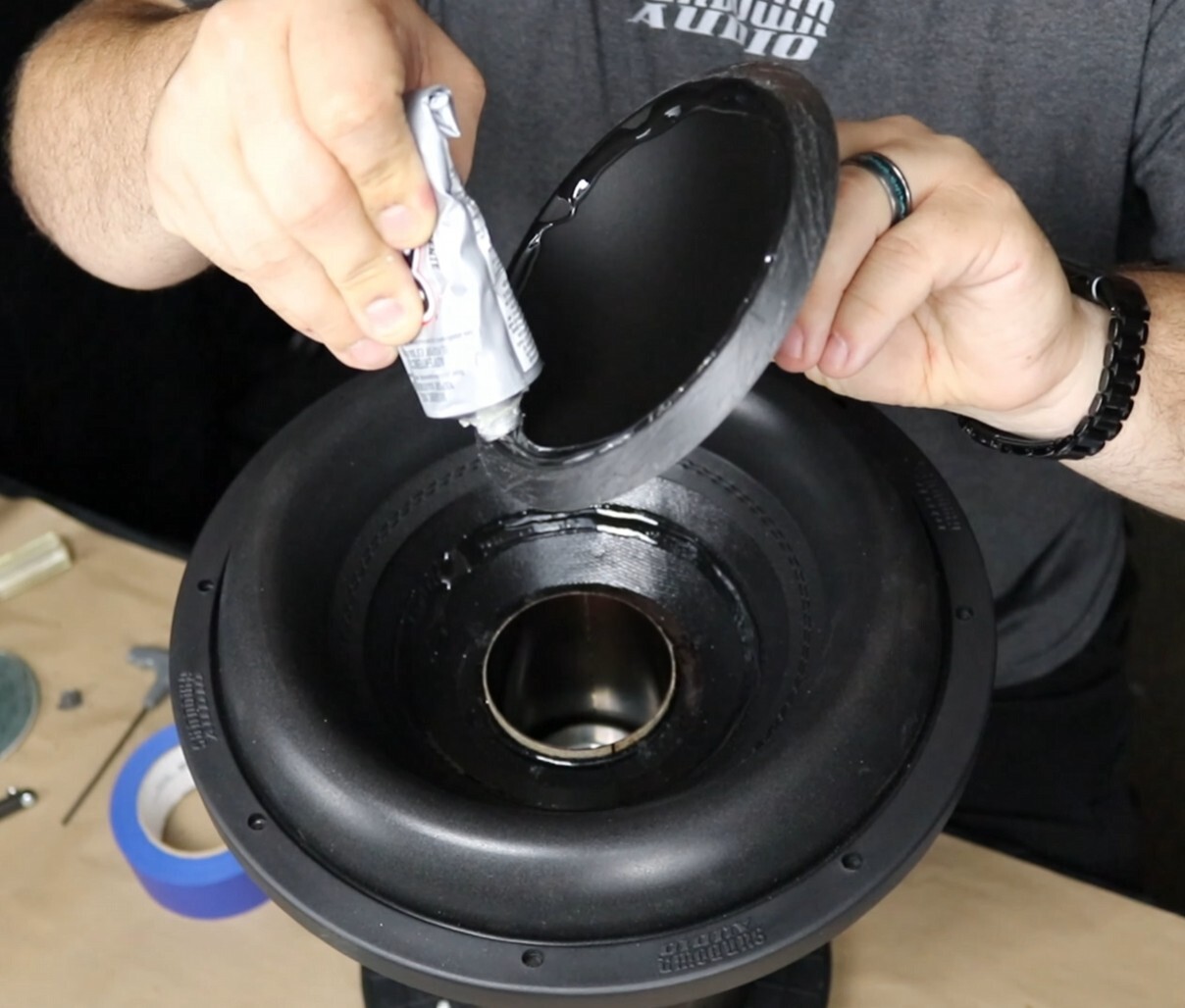
The dust cap glue should look like this:
Attaching and Soldering Tinsel Leads
Route tinsel leads from the cone area to the frame terminals following the factory pattern to avoid slap noises during excursion.
If your subwoofer comes with the ring terminals, all you need to do is tighten them down (hand tight). If not, the following directions will help you.
-
Lightly tin both the tinsel leads and terminal tabs before joining
-
Solder quickly with a hot iron (2-3 second bursts) to minimize heat soak into the spider
-
Check polarity: typically left terminal is positive when viewing the sub from front
-
Apply a small dab of flexible adhesive where tinsels leave the cone to prevent fraying
Dust Cap, Gasket, and Final Assembly
The dust cap seals the coil gap and stiffens the cone. Proper alignment prevents debris from entering the motor during use.
Dust cap installation:
-
Scuff the underside lightly with sandpaper if needed
-
Clean the cone surface where the cap sits with alcohol
-
Apply a thin, even bead of E6000 adhesive in a circular pattern where the dust cap will be placed
-
Apply a thin bead of E6000 in a circle on the dust cap
-
Press the cap down centered, avoiding glue drips into the coil area
-
Use small weights to keep the cap seated while curing
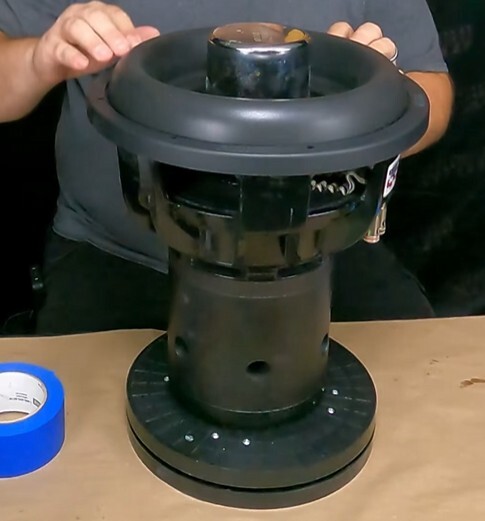
Final steps:
-
Take the clamps off of the rubber or metal gasket.
-
After full cure, remove shims gently by pushing the cone slightly
-
Move the cone by hand to confirm completely silent, smooth travel
Electrical Checks and Reinstallation
Before mounting, verify everything works:
-
Measure coil impedance with a multimeter (SAv3 12 D4 should read 3.2-3.8Ω per coil at room temperature)
-
Play a 25-50Hz test tone at low power to check for rattles or scraping
-
Reinstall using fresh wood screws torqued properly into solid MDF baffles
-
Reconnect power, verify amp gain, and subsonic settings
Breaking In and Caring for Your Reconed Subwoofer
Fresh spiders and surrounds are stiff. A controlled break-in helps your reconed sub reach optimal sound quality and full excursion capability.
Break-in routine (5-10 hours):
-
Play moderate volume music or test tones between 25-50Hz
-
Avoid clipping or mechanical bottoming
-
Gradually increase power over several sessions
-
Check periodically for excessive warmth or strange smells
Ongoing maintenance:
-
Keep enclosure dry
-
Avoid constant clipping (causes premature failure)
-
Check mounting hardware every few months
-
Inspect tinsel leads and surround for wear if you play loud often
We carry wiring kits, batteries, and Eco bass knobs that help prevent clipping and protect freshly reconed drivers.
DIY vs Professional Sundown Audio Recone: When to Call in Help
Many enthusiasts successfully recone their own SA, U, M, X, Z, and NS series Sundown subs. But some situations benefit from professional service.
DIY recone works well when:
-
Single blown SA-12 or SA-10 with intact basket and motor
-
You have access to basic tools and a clean workspace
-
You’re willing to take time and follow specs carefully
Consider professional recone when:
-
Magnets are shifted or cracked
-
High-dollar subs like ZV6 or NS series are involved
-
Multi-sub competition builds need perfect matching
-
You lack tools, space, or time for a better choice
Amped Up Car Audio can supply Sundown recone kits, verify correct parts for your model, or handle full recone services—including testing and break-in. Reach out with your model number, photos, and goals (daily driver, SPL, demo) and we’ll recommend OEM recone, upgraded soft parts, or complete replacement if that’s more cost-effective.
After your recone, consider making a post in car audio forums or comment sections to share your experience or ask for advice—it's a great way to connect with other enthusiasts and get feedback on your results.