
Understanding Alternator Whine: Causes and Solutions for Your Vehicle
Posted by Jacob Morris on Jun 1st 2026
Alternator Whine: Causes, Diagnosis & Fixes for Car Audio Systems
Alternator whine is one of the most annoying problems in a car audio system because it cuts through music, gets worse when you rev the engine, and usually shows up right after an amp, subwoofer, or head unit has been installed.
The good news: you do not have to guess. Most alternator whine problems come from a short list of causes—bad ground points, poor rca cables routing, charging system ripple, or a mechanical issue at the alternator pulley.
This guide is for car owners, audio enthusiasts, and DIY installers who want to understand, diagnose, and fix alternator whine in their vehicles. Alternator whine not only disrupts your listening experience but can also signal deeper electrical or mechanical problems in your car. Here, we’ll cover the causes, diagnosis, and fixes for alternator whine, helping you restore clean, powerful sound to your car audio system.
Quick Answer: What Alternator Whine Is & How to Stop It Fast
Alternator whine is a high-pitched sound that matches the engine's RPMs and may project through car audio speakers. RPM-Dependent Pitch: The pitch of the whine rises and falls directly with engine acceleration. If the whine increases as engine rpm rises, the alternator, wiring, ground, or audio input path is likely involved.
There are two versions: mechanical alternator noise, like a whirring noise from a bad alternator or belt area, and electrical whine through the speakers caused by interference from the charging system.
Quick fixes to try first:
-
Check every ground wire, amp ground, and chassis ground for clean bare metal contact.
-
Move rca and power cables apart; do not run signal line and power wire side by side.
-
Add a noise filter or ground loop isolator only after wiring is verified.
-
Inspect the alternator pulley, worn belt, tensioner, and battery connections.
Amped Up Car Audio provides expert guidance to help you test your system, select the ideal noise filter, and find the perfect wiring kits available through our online store.
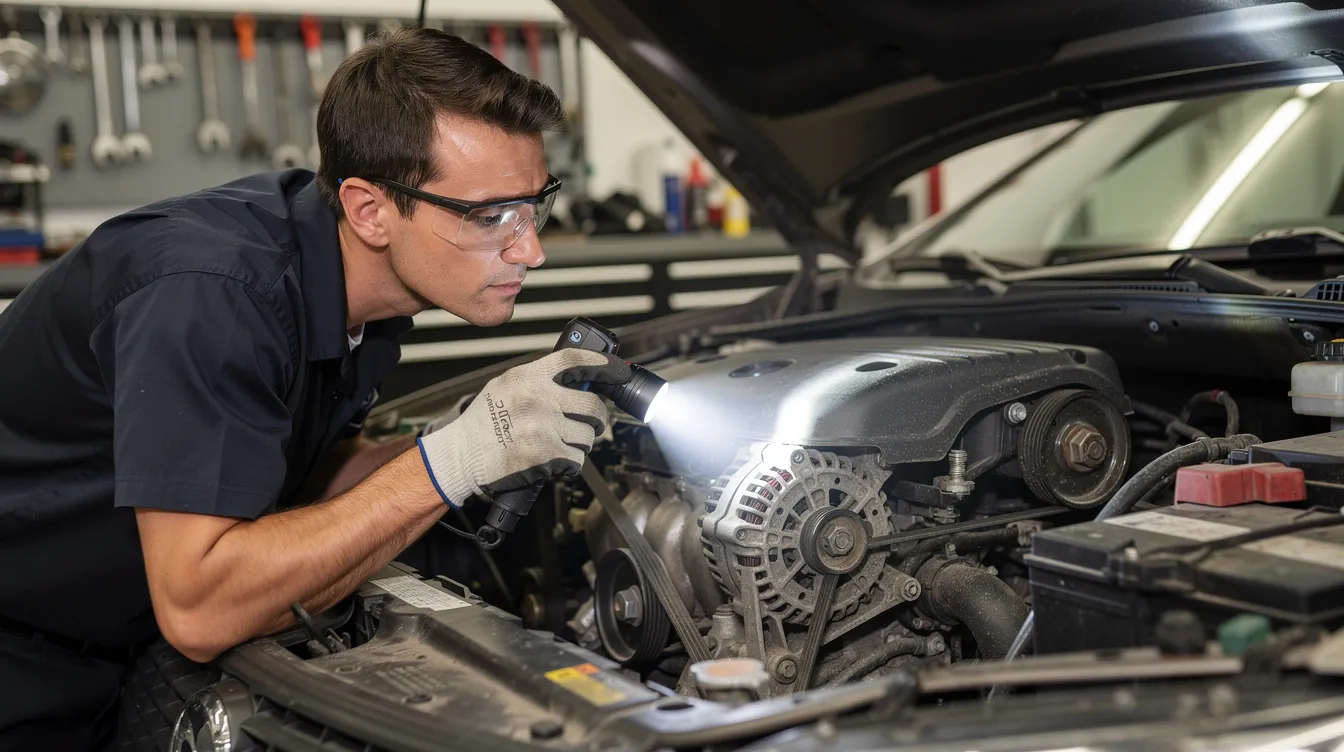
What Alternator Whine Sounds Like (Engine Bay vs. Speakers)
Before you fix alternator whine, listen closely with your ears and separate speaker noise from under-hood noise.
-
Speaker whine: a clean, high-pitched tone through the speakers that follows engine rpm. It is often present with the radio volume low, the source paused, or after a new amplifier is installed.
-
Mechanical whine: a whirring noise from the front of the engine near the alternator pulley.
-
Bearing noise: grinding noises from the alternator usually indicate that the internal bearings have worn down significantly, suggesting that the alternator is nearing failure.
-
Belt noise: squealing or chirping noises that seem to come from the alternator may actually be caused by a slipping serpentine belt rather than the alternator itself, especially if the sound occurs during acceleration or when turning the steering wheel.
To differentiate alternator noise from other engine sounds, listen for a consistent whine or grind that does not disappear, as opposed to a belt squeal which may come and go, particularly in cold or wet conditions.
Quick comparison
|
What you hear |
Likely area |
|---|---|
|
Whine through speakers |
ground loop problem, RCA noise, bad ground |
|
Grind under hood |
alternator bearings |
|
Chirp or squeal |
belt, pulley, tensioner |
|
Noise gets worse with lights or AC |
alternator or charging system load issue |
Customers often hear this after installing a new amp, head unit, remote turn lead, or subwoofer system. The fix is usually systematic, not random.
Why Alternators Make Noise: Mechanical Causes
This section is about physical sound under the hood, not speaker whine. The alternator uses the serpentine belt to spin the alternator pulley, which turns the rotor inside the stator to create power for the vehicle and recharge the battery.
Common mechanical causes include:
-
Worn bearings inside the alternator
-
Misaligned or damaged alternator pulley
-
Glazed, cracked, or worn belt
-
Weak belt tensioner
-
Loose mounting hardware or damaged pulley grooves
A high-pitched whining sound is a common indicator of alternator trouble, typically originating from worn-out or damaged alternator bearings, and the pitch changes with engine speed. The whining noise from a failing alternator is caused by worn-out bearings that support the rotor, leading to rough rotation and metal components rubbing together.
On vehicles over 150,000–200,000 miles, such as a 2012–2017 Camry or Civic, bearing wear, belt glazing, and tensioner fatigue are common. A bad alternator can also create a faint electrical whine due to stressed diodes or windings, even if voltage at the battery still reads above 14V.
Why Car Audio Gets Alternator Whine: Electrical & Audio Causes
The whine is caused by electrical interference from the alternator, which produces alternating current (AC) converted to direct current (DC). If that conversion is noisy, or if the audio system wiring gives noise an easy path, you hear it through the speakers.
Ground Loop Issues
Poor grounding occurs when audio components are grounded at different locations, creating resistance and introducing noise. This is a common cause of audio interference. A head unit ground under the dash and an amplifier ground in the trunk can create a ground loop, especially if the RCA shield becomes the easiest return path.
RCA Cables & Wire Routing Problems
Poor wire routing, such as running power cables next to RCA signal cables, can cause electromagnetic bleeding and result in audio noise. Factory harnesses, the radio antenna lead, antenna cables, speaker wires, and the remote turn wire can also pick up noise if they are bundled carelessly.
Alternator Electrical Faults
A weak alternator, undersized battery, or large amp on stock wiring can create voltage ripple. Failed rectifier diodes in the alternator can allow raw AC current to pass into the car's electrical grid, creating an audible whine.
Noise filter options include:
-
Line-level filters for RCA input noise
-
Ground loop isolators for RCA shield current
-
Alternator noise filters on the power side
-
Power capacitors for large multi-amp systems
It is advisable to install an in-line noise filter or a ground loop isolator to reduce alternator noise in the audio system, but only after grounding and routing are corrected.
Step-by-Step: How to Diagnose Alternator Whine
Use this checklist before replacing parts.
-
Park safely. Set the brake, keep hands away from moving belts, and disconnect the battery negative terminal before changing wires.
-
Listen under the hood. With the hood open, start the engine and carefully listen near the alternator pulley, AC compressor, idler, and tensioner.
-
Add load. Turn on headlights, AC, and rear defroster. If the noise from the alternator worsens when electrical load increases, such as when turning on headlights or the AC, it likely indicates an issue with the alternator. When electrical load increases, such as when turning on headlights or AC, a worsening noise can indicate alternator trouble, as the alternator has to work harder to meet the demand.
-
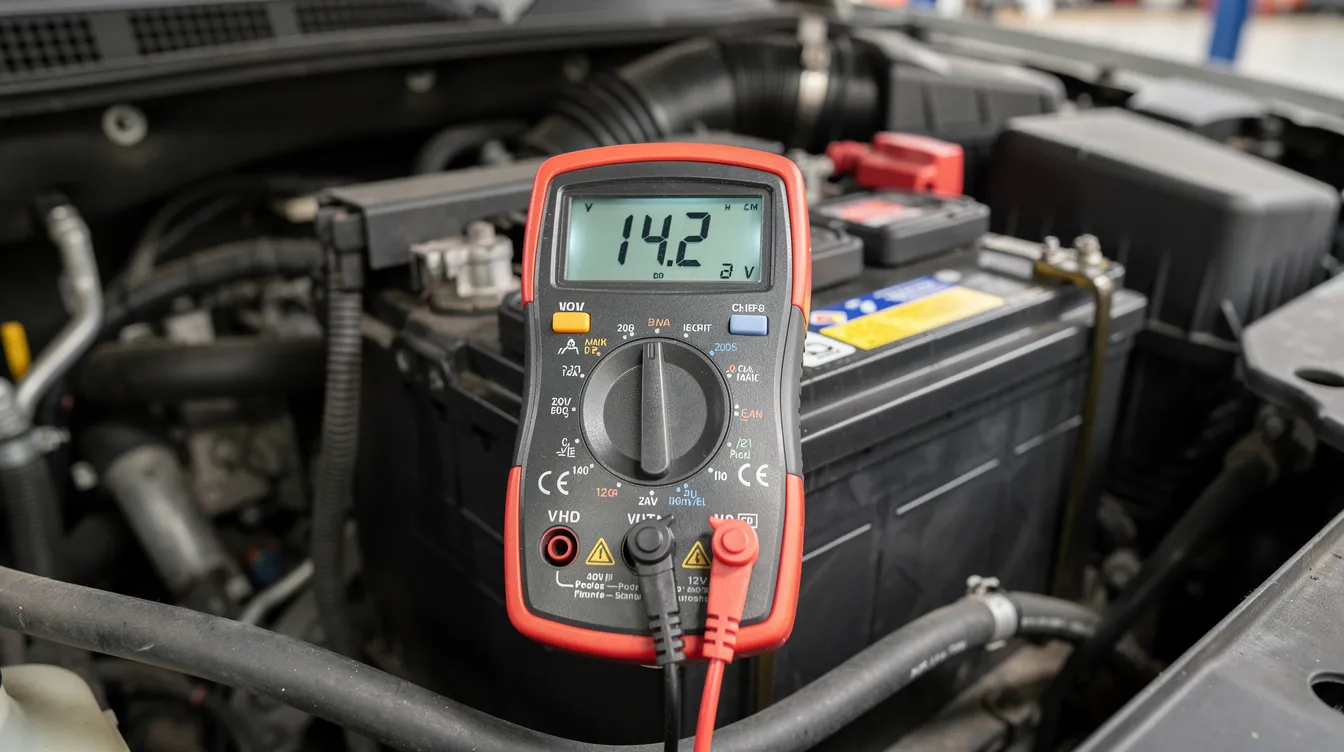
Check voltage. A healthy car usually shows 12.4–12.7V off and 13.8–14.6V running. Normal voltage does not always rule out noisy diodes.
-
Test AC leakage. To test for AC leakage in the alternator, connect a digital multimeter to the battery terminals and switch it to AC voltage, ensuring the reading is less than 0.1V AC.
-
Unplug RCA cables at the amp. If the whine disappears, the noise is entering through the signal path.
-
Try a known-good device. Use a temporary phone-to-amp input or test plug to isolate the radio.
-
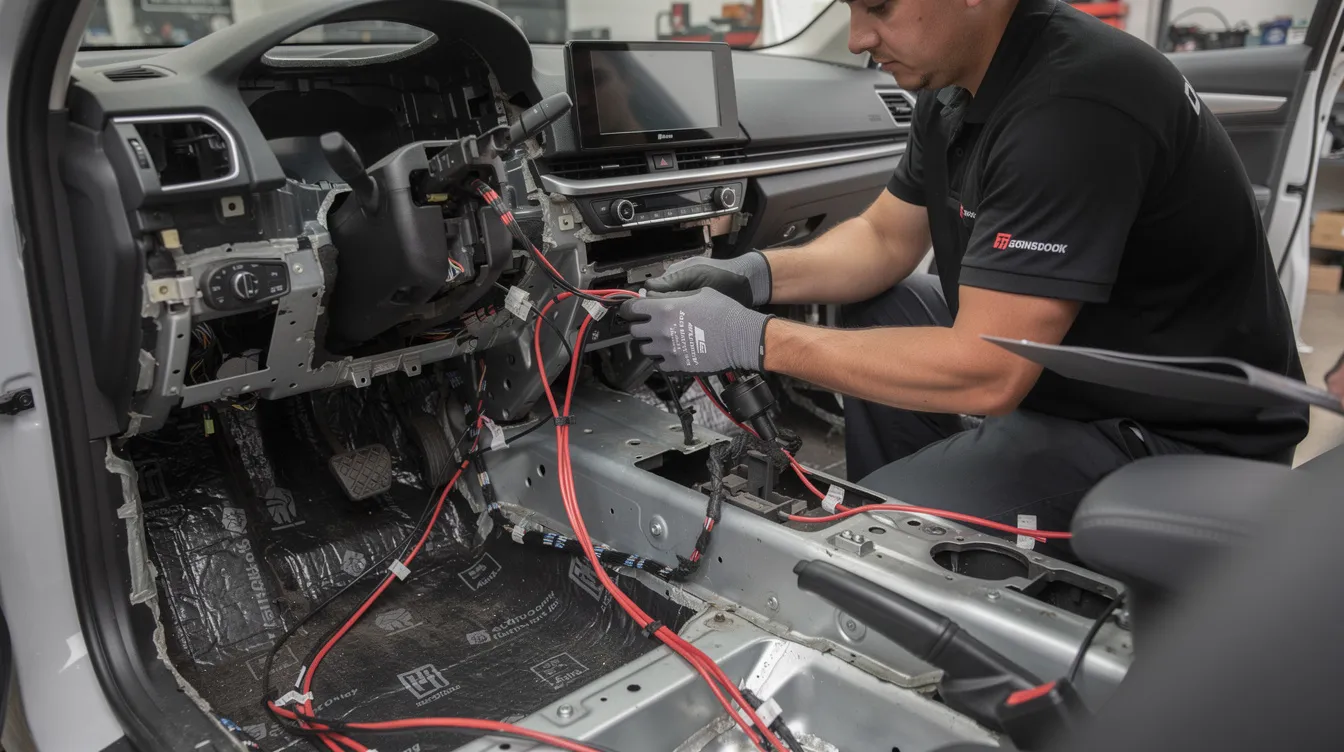
Redo grounds. Use short, thick wire to bare metal. Remove paint, tighten bolts, and use star washers.
-
Temporarily reroute cables. Run rca cables across the cabin away from power cables and factory wiring to see if the sound changes.
If the sound is still unclear, send Amped Up Car Audio a short video clip of the noise, wiring, amp ground, and battery area. We can help verify the ground issue before you spend money.
How to Fix Alternator Whine in Your Car Audio System
Start with free fixes, then move to parts.
Ground Improvements
-
Improve all grounds. To resolve audio interference caused by grounding issues, it is recommended to clean grounding surfaces and ensure all components are grounded to a common point.
Wiring Upgrades
-
Fix battery and chassis wiring. Higher-power systems should use proper gauge cable and often benefit from a Big 3 upgrade.
-
Avoid bad mounting points. Do not stack multiple grounds on thin painted sheet metal.
-
Separate cables. Keep RCA, speaker wires, and antenna wiring away from the main power cable. If wires must cross, cross at 90 degrees.
-
Check gain settings. Excessive amplifier gain makes small noise much easier to hear.
Filter Installation
-
Add the right filter. Use an RCA ground loop isolator for signal noise, a line-level noise filter for full-range channels, and a power-side filter only when charging noise is confirmed.
-
Replace failing parts. Replacing a bad alternator, worn alternator pulley, weak tensioner, or stretched belt may be the only long-term fix.
Amped Up Car Audio can supply matched amplifier wiring kits, rca cables, upgraded batteries, noise filters, fuses, and installation accessories selected for your actual system—not a generic hook-and-hope solution.
When a Bad Alternator Is Really the Problem
Sometimes alternator whine is not an install problem. It is a warning that the charging system is failing.
Signs include:
-
Alternator noise from the front of the engine
-
Dimming lights at idle
-
Battery warning light on the dash
-
Burning rubber or hot electrical smell
-
Whine that gets worse under load
-
Grinding, wobble, or metal dust near the pulley
A failing alternator can damage your battery over time, as it may not charge properly, leading to repeated drain cycles that shorten the battery’s lifespan. A faulty voltage regulator within the alternator can cause overcharging of the battery, which may lead to permanent damage to the battery’s cells.
When an alternator fails completely, the vehicle will rely solely on battery power, which typically lasts between 30 minutes to an hour before the car stalls. That window can be shorter with big amplifiers, lights, fans, and accessories pulling power.
Have the alternator load-tested if you suspect internal damage, especially on high-mileage vehicles with pulley or bearing noise. If the alternator itself is failing, replacement is often the lower long-term cost than chasing filters over and over or risking bigger charging-system problems.
Why Choose Amped Up Car Audio to Solve Alternator Whine
Amped Up Car Audio is a specialized car audio online retailer based in Conover, NC. serving customers and nationwide online orders. We work with daily drivers, custom bass builds, multi-amp systems, and high-output setups where clean power and clean sound matter.
We help customers choose the correct noise filter, upgraded alternator, battery, amplifier wiring kit, rca, and even eco-friendly bass knobs tailored to the exact system. If your install was self-built, that is fine. Send photos or videos of the amp, ground, head unit wiring, radio antenna area, battery, and cables, and our shop can walk through practical next steps.
You may also see a security verification page when using an online store; that security service is performing security verification to block malicious bots. If verification successful appears after the system verifies your browser, you are safe to continue. If it says waiting, bot, share sort, or respond ray id in an error message, contact support instead of refreshing repeatedly.
FAQs About Alternator Whine & Alternator Noise
-
What causes alternator whine in my speakers?
Usually a ground loop, bad ground, poor RCA layout, or electrical noise from the charging system. Power and signal wires routed together can make it worse. -
How do I know if the whirring noise is from my alternator pulley or another part?
Listen at the front of the engine, then inspect pulley movement, belt condition, and tensioner alignment. Grinding often points to bearings; chirping often points to belt slip. -
Will a noise filter always fix alternator whine?
No. A noise filter can reduce symptoms, but it will not fix a bad alternator, bad ground, poor cable routing, or failed diodes. -
Can a bad alternator damage my amps and speakers?
Yes. Voltage spikes, low voltage, and ripple can stress an amplifier. Low voltage can also cause clipping, which is dangerous for speakers. -
Do I need to replace my alternator if I only hear noise in the audio system?
Not automatically. Test the charging system, unplug RCA cables, inspect grounding, and reroute wires first. -
Can Amped Up Car Audio help me even if I installed everything myself?
Yes. We can provide remote support, product recommendations, and help from our on-website messenger service based in Conover, NC.
Check more posts on the Amped Up Car Audio blog for guides on engine noise, amplifier setup, wiring, and power management.
Conclusion: Quieting Alternator Whine for Clean, Powerful Sound
Alternator whine can come from mechanical alternator noise, poor grounds, bad cable layout, voltage ripple, or a failing alternator. The best fix is to test in order: listen to the pulley and belt, verify grounds, clean up wiring, then add a noise filter if needed.
If you want help choosing the right parts or contact Amped Up Car Audio. We can help match noise filters, RCA cables, alternators, batteries, and wiring to your system.
Browse more posts on our blog to keep learning about subwoofers, amplifiers, speakers, and clean power for noise-free car audio.